What is Soil and Why is it Important? A Gardener's Guide
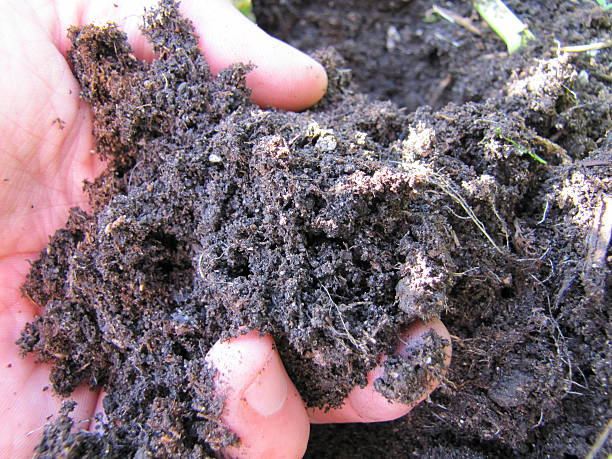
Soil is a critical component for plant life, serving as a source of water, nutrients, and physical support for roots. Understanding your garden's soil composition is essential for healthy plant growth. Here’s a breakdown of different soil types and their characteristics:
Sandy Soils:
These soils consist of large, loosely packed rock particles. Sandy soils warm up quickly in spring and offer excellent drainage. However, they retain water poorly and lose nutrients rapidly. Their texture is notably gritty.
Silty Soils:
Composed of medium-sized particles, silty soils drain excess water faster than clay but slower than sand. When wet, they have a characteristically slick feel.
Clay Soils:
Clay soils are made up of small, tightly packed particles. They retain water and nutrients effectively but are prone to staying wet for extended periods. Clay soils are also susceptible to winter heaving, which can damage plant roots.
The Role of Organic Matter:
Adding organic matter like compost, decomposed manure, or shredded leaves can mitigate the drawbacks of both sandy and clay soils. Organic materials improve moisture retention in dry conditions and enhance drainage when wet. They also reduce soil compaction, allowing roots to spread more easily.
Loamy Soils:
Loamy soils are rich in organic matter, providing optimal conditions for plant growth. They regulate water effectively and support beneficial microorganisms such as mycorrhizal fungi, which aid in nutrient absorption and disease resistance.
Hardpan:
Hardpan is a compacted soil layer that restricts root growth and water penetration. It can form when sand is mixed with clay or due to heavy equipment compaction.
Soil pH: Acidity and Alkalinity:
Acidic Soil: An acidic soil has a pH below 7.0. The pH level influences nutrient availability. Some plants, like blueberries and rhododendrons, thrive in acidic conditions. Alkaline Soil: An alkaline soil has a pH above 7.0. It affects nutrient absorption, with some plants like dianthus preferring alkaline conditions. Most garden plants prefer neutral or slightly acidic soil.
The Importance of Mulch:
Mulch, such as compost, shredded bark, or leaves, is not a soil component but plays a crucial role in soil health. It prevents erosion, retains moisture, and moderates temperature fluctuations. Organic mulches decompose, enriching the soil with organic matter.