Unveiling Canada's Rich Land: A Historical Examination of Treaties and Indigenous Rights
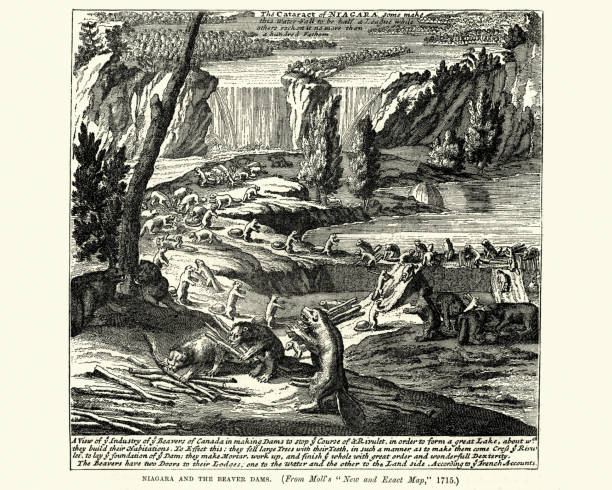
The allure of the North American continent was not initially what European explorers anticipated. Instead of a shortcut to Asian riches, they stumbled upon a land teeming with resources – beaver furs fueled a European hat craze, and fertile farmland beckoned settlers. However, this "discovery" came at a profound cost: the displacement and marginalization of approximately 2 million Aboriginal peoples who already called this land home, the land that we now know as Canada.
The acquisition of land varied, with some territories, particularly in the United States, being seized outright. In Canada, however, the pretense of legality was often sought through treaties. Yet, many of these agreements were forged under duress, with Aboriginal communities facing economic hardship or the aftermath of conflict, leaving them with little bargaining power.
Examining Treaties: A Window into Canada's Past and Present
Understanding these treaties is crucial to grasping the historical and ongoing complexities of Indigenous rights in Canada. Examining the geographical context of each treaty area reveals the resources that were – and continue to be – highly valued by both Europeans and Aboriginal peoples.
How were these resources addressed in the treaties themselves? What were the immediate and long-term consequences for Aboriginal communities? These are critical questions that demand careful consideration.
Motivations and Consequences
Delving into the historical context and treaty documents illuminates the contrasting motivations of the European and Canadian governments versus those of the Aboriginal nations forced to the negotiating table.
European/Canadian Government Motivations: Driven by resource extraction and territorial expansion, these entities sought to establish legal claim over vast tracts of land. Aboriginal Nations: Often facing dwindling resources and political pressure, Aboriginal nations sought to preserve their way of life, protect their lands, and maintain a degree of sovereignty in a rapidly changing world.
Who benefited more from these treaties? Are ongoing treaty renegotiations and court challenges a fair and just process? These are questions with no easy answers, demanding critical analysis and a commitment to truth and reconciliation.
The Indian Act and the Path Forward
The Indian Act, since its inception, has been a source of contention and oppression for Indigenous peoples in Canada. Ongoing efforts to reform this legislation, as well as the Department of Indian and Northern Affairs, are met with both support and resistance from native groups. The key issues often revolve around financial autonomy, self-governance, and the right to self-determination. What is the role of the Canadian government, and what steps can be taken to ensure a just and equitable future for all?