What Are Bird Head Crests, Combs, and Other Facial Features?
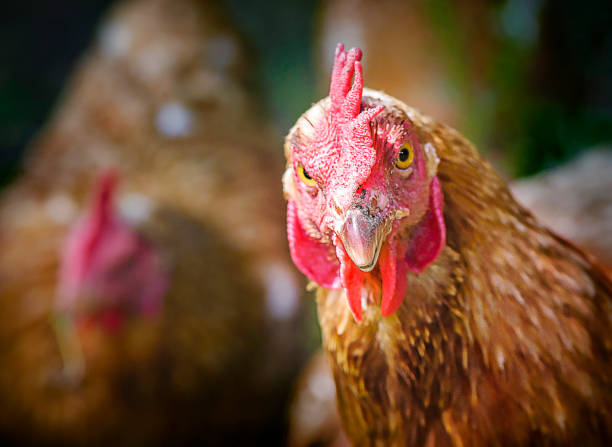
Bird enthusiasts and ornithologists often find themselves captivated by the diverse and intricate features that adorn avian heads. These features, ranging from crests to wattles, play significant roles in communication, survival, and mate selection. Let's delve into some of these fascinating aspects of bird anatomy.
One of the most striking features is the crest, which can vary in length from short to long. A prime example is the Black Crested Bulbul, whose name is derived from its prominent crest. Crests serve multiple purposes, including display ornaments during courtship, expressions of aggression or stress, and threat displays to alert allies.
Crests can also signify leadership within flocks and deter mating competitors, territorial invaders, and predators. There are two primary types of crests:
Recursive Crests: These are noticeable even when not erected, as seen in the Great Myna. Recumbent Crests: These are only noticeable when erected, such as in the Common Myna.
Another notable feature is the comb, a fleshy projection on the top of the head found in fowls. The comb's condition is an indicator of a fowl's health and aids in thermoregulation.
The snood, a fleshy protuberance above the bill in birds like turkeys, functions as an ornament during mating displays. Mouth Bristles, also known as rictal bristles, are hair-like feathers around the base of the bill, common in insect-feeding birds. These bristles act as a "net" for capturing flying prey, protect the eyes from particles, and function as mechano-receptors.
Wattles, fleshy caruncles hanging from the head and neck, serve as ornaments for attracting mates and indicate the health of male birds in certain species. Some birds also possess a beard, a cluster of feathers on the chin or breast, erected during mating displays.
Ear Tufts, skin projections covered with feathers, are often seen in owl species. While their exact function remains uncertain, theories suggest they play a role in mate selection and predator deterrence. Lastly, nape plumes are long feather projections from the nape, as seen in the Little Egret.
Taking note of these attributes, including their colors and sizes, can greatly aid in bird identification, distinguishing similar-looking birds, and even determining the gender of a bird. ```