Can Calcium and Vitamin D Really Ease Your PMS Symptoms? A New Perspective
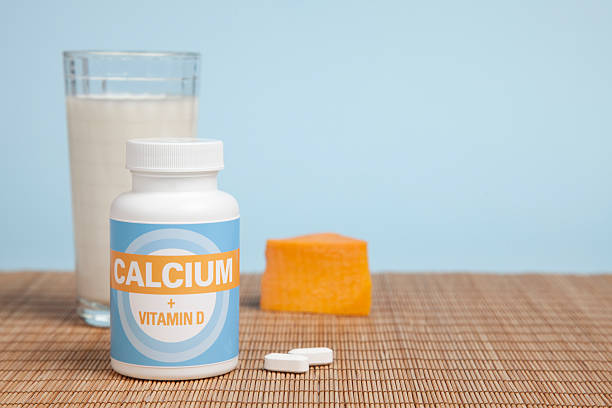
Premenstrual Syndrome, or PMS, is a widespread condition affecting countless women in their premenopausal years. It's a disorder known for its disruptive effects on mood and behavior, and recent research has begun to shed light on the crucial role that specific nutrients may play in alleviating its symptoms. The investigation suggests that calcium and vitamin D are essential for those experiencing PMS.
Emerging scientific evidence points to cyclic fluctuations of certain micronutrients, particularly calcium and vitamin D, during the menstrual cycle. These fluctuations could potentially explain some of the characteristic features of PMS. Ovarian hormones, central to the menstrual cycle, exert a significant influence on the metabolism of key minerals like calcium and magnesium, as well as vitamin D. It is well known that estrogen regulates calcium metabolism, and intestinal calcium absorption.
The association between alterations in calcium homeostasis, such as hypocalcemia (calcium deficiency) and hypercalcemia (excess calcium), and affective disturbances has long been recognized. Given that PMS shares many symptomatic similarities with conditions like depression, anxiety, and dysphoric states, the connection becomes all the more intriguing. The resemblance between the symptoms of PMS and hypocalcemia is remarkably similar, raising questions if the diseases are in some way connected.
Clinical trials involving women with PMS have revealed that calcium supplementation can effectively alleviate the majority of mood and somatic symptoms associated with the condition. Current evidence suggests that women experiencing luteal phase symptomatology, characterized by symptoms occurring in the latter half of the menstrual cycle, may have an underlying calcium dysregulation, leading to secondary hyperparathyroidism and vitamin D deficiency.
This intriguing theory suggests that PMS could represent the clinical manifestation of a calcium deficiency state, which becomes apparent following the rise of ovarian steroid hormone concentrations during the menstrual cycle. If these new findings are true, it opens possibilities to new ways of treating PMS. More research is needed, but it's an interesting field to consider.