Adapting Our Cities: Urban Planning for a Climate-Resilient Future
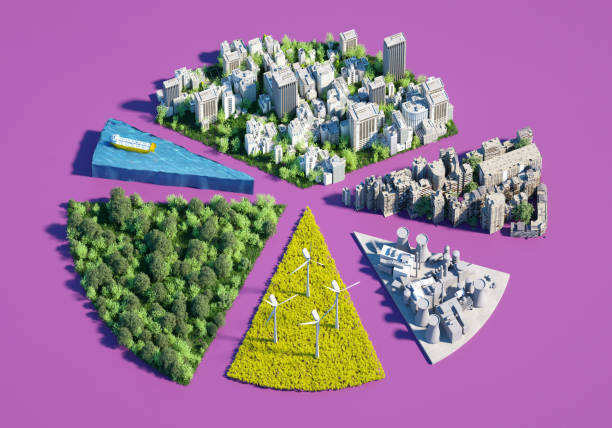
Climate change, a pressing global issue, demands immediate action. With increasingly frequent and severe weather events, adapting our cities is critical to ensure a resilient future. Urban planning is central to shaping cities prepared for climate change impacts and promoting sustainable development.
The Urgency of Climate Resilience
Cities face climate-related problems such as rising temperatures, sea-level rise, and extreme weather. These pose significant risks to infrastructure, public health, and economic stability. Climate resilience strategies must be incorporated into urban planning to mitigate these impacts.
Core Principles of Climate-Resilient Urban Planning
Building climate-resilient cities requires adherence to specific principles:
1. Integration of Green Infrastructure: Green infrastructure, including parks, wetlands, and green roofs, can absorb rainfall, reduce the urban heat island effect, and improve air quality. Integrating green spaces should be a priority.
2. Optimal Land Use and Zoning Policies: Strategic land use and zoning policies protect vulnerable areas from climate hazards. Construction should be prevented in flood-prone zones and high-density development in areas exposed to extreme heat.
3. Enhanced Water Management: Effective water management systems are crucial. Environmentally sustainable stormwater management, such as rain gardens and permeable pavements, can minimize flooding and reduce strain on drainage infrastructure.
4. Energy-Efficient Buildings: Urban planning should encourage energy-efficient designs and renewable energy sources for buildings. Green building codes can minimize the environmental impact of new constructions.
Challenges, Opportunities, and Community Engagement
Implementing climate-resilient urban planning faces challenges, including limited resources, conflicting interests, and political barriers. However, the benefits of improved public health, investment attraction, and enhanced quality of life for residents outweigh these challenges. Active community participation is also crucial. Engaging residents in decision-making and raising awareness fosters ownership and cooperation, enabling the development of effective strategies that align with community needs. Urban planning that prioritizes climate resilience is essential for the sustainable development of cities. By integrating green infrastructure, using land use policies, implementing water management, and promoting energy-efficient buildings, cities can adapt to climate change challenges. Community engagement shapes resilient cities that are prepared to face the future. Through innovative approaches, our cities can become vibrant and resilient.