Are Your Replacement Heifers Protected? Vets Warn of Vaccination Gaps
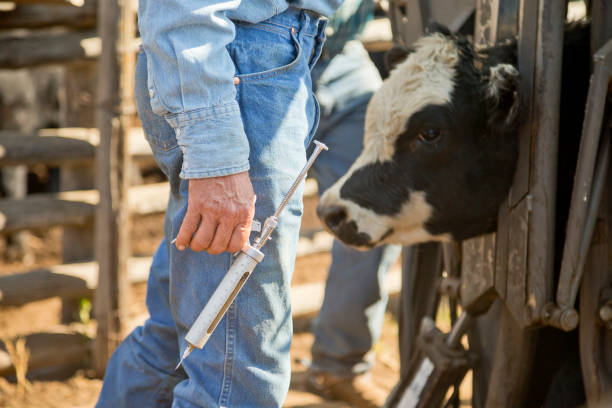
Veterinarians are issuing a crucial reminder to farmers: ensure your replacement heifers are properly vaccinated. Concerns are mounting about potential lapses in disease control, particularly when it comes to these vital future members of the herd.
Often, replacement heifers are overlooked during vaccination rounds, especially when the main herd is being treated. This can lead to gaps in protection against diseases like Bovine Viral Diarrhea (BVD) and leptospirosis, according to vet James Allcock of Lambert, Leonard and May in Shropshire.
It's essential for cattle to receive a primary vaccine dose to prime their immune system. This initial exposure allows the heifer's immune system to effectively recognize and respond to the booster shot the following year, mounting a robust and timely immune response.
"When an animal hasn’t received a primary course, any further doses of vaccine won’t work," Mr. Allcock warns. "It's a waste of time and money, and it significantly increases the risk of disease."
While many farms have vaccination protocols in place, adherence can sometimes falter. Ensuring every heifer receives the necessary jabs at the right time can be challenging amidst the daily demands of farm management. It requires a structured process to serve as a constant reminder.
Vaccinating an entire herd of cows in one fell swoop is efficient, but ensuring maiden heifers are vaccinated before service requires extra diligence. This can lead to some animals being missed, and many failing to receive the crucial second dose. By the time they're vaccinated again during the routine herd vaccination, a considerable amount of time may have passed, creating a weak link in the herd's overall protection.
Many vaccines safeguard against fertility losses or, in the case of the BVD vaccine, protect calves from persistent infection. Most vaccines require about four weeks to become fully effective, emphasizing the need to allow at least four weeks after the primary course before breeding begins.
The recommended best practice is to identify heifers aged eight to thirteen months who need to begin their primary vaccination course and will be served within the next six months. Eight months is the minimum age for BVD vaccination in heifers.
"Anyone serving significant numbers of heifers before fifteen months old should speak to a vet," Mr. Allcock advises. "They will need a course of two doses of BVD and leptospirosis vaccine according to the manufacturers’ recommendations."
He also stresses the importance of recording the identification of the youngest animal started on the program. This provides an easy reference point for future vaccination rounds. When the rest of the herd receives their boosters, remember to include the heifer replacements that have completed their primary course but haven't yet calved. Under this system, any animal 14 months of age or older should receive a booster.
"We’re worried that as herd size increases and we have more diseases to vaccinate against, we may not actually be achieving the best protection available through vaccination because of “gaps” in the policy for vaccinating replacements," Mr. Allcock concludes. He urges farmers to review their vaccination protocols and ensure that replacement heifers are adequately protected.