Do Magnolias Have Cones? Understanding Magnolia Seed Pods, Toxicity, and More
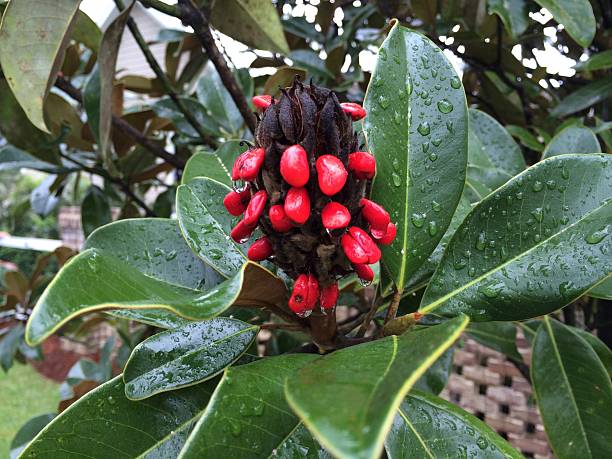
The majestic magnolia tree, known for its stunning blooms and lush foliage, often raises questions about its characteristics. One common inquiry is, "Do magnolias have cones?" The answer is nuanced. While magnolias don't produce cones in the same way pine trees do, they do bear cone-shaped fruit after their spring and early summer flowering period. These structures mature and open in September and October, revealing seeds that hang by delicate threads before eventually dropping.
Magnolia Seed Pods: What You Need to Know
These magnolia seed pods, technically called follicles, are quite distinctive. When the cones begin to open, it's the right time to harvest them using sharp tools. Many gardeners wonder, "What do you do with magnolia seed pods?" The primary purpose is often to collect the seeds for propagation. To grow a new magnolia from seed, remove the seeds from the follicles, soak them overnight, and then stratify them in the refrigerator for 3 to 5 months. Afterwards, plant indoors at around 70 degrees Fahrenheit. Germination typically occurs in 30 to 40 days, and the seedlings grow rapidly.
Are Magnolia Cones Poisonous? Addressing Safety Concerns
A vital concern for pet owners and parents is, "Are magnolia cones poisonous?" Fortunately, according to experts at the University of Arkansas Division of Agriculture, the southern magnolia tree has no toxic effects on humans or animals when handled or ingested. This means that leaves, flowers, or berries of the magnolia tree are not considered poisonous. The ASPCA also lists Magnolia stellata (star magnolia) as non-toxic to dogs. However, it's always prudent to prevent pets from consuming large quantities of any plant material.
The Downsides of Magnolia Trees: Addressing Potential Problems
Despite their beauty, some drawbacks exist. "Why are magnolia trees bad?" you may ask. Their shallow, spreading roots can damage sidewalks and driveways. Additionally, magnolias are sensitive to relocation and can suffer significant damage or death if moved during construction. Their roots can also be invasive, potentially causing problems if planted too close to buildings.
Burning Magnolia Wood: Is It a Good Idea?
For those considering using magnolia for firewood, the question arises, "Can you burn magnolia tree cones?" While magnolia firewood is burnable, it's best suited for mild temperatures in the fall or spring. Regarding the wood itself, magnolia is a moderately valuable wood. Cabinet carcases and furniture, toys, and interior trim, all fair well when made of this widely unappreciated wood.
Additional Tips for Magnolia Enthusiasts
Lifespan: A Southern magnolia can live 80 to 120 years with proper care, including rich, moist, well-drained soil and a humid environment. Fragrance: Many magnolia varieties boast a delightful fragrance. Magnolia grandiflora is among the most fragrant, with its creamy white flowers emitting a sweet, lightly fruity scent. Mulching: Mulching around magnolia trees helps retain soil moisture, provides nutrients, and prevents weed growth. Pests and Diseases: Be vigilant for common magnolia issues such as bacterial leaf spot, magnolia borers, and fungal diseases. * Drying Pods: To dry magnolia pods for decorative purposes, spread them on newspaper in a cool, dry indoor location.
By understanding these aspects of magnolia trees, you can better appreciate and care for these magnificent plants, ensuring they thrive in your landscape.