Understanding Africa: From Ebola to Colonialism and Resource Curse
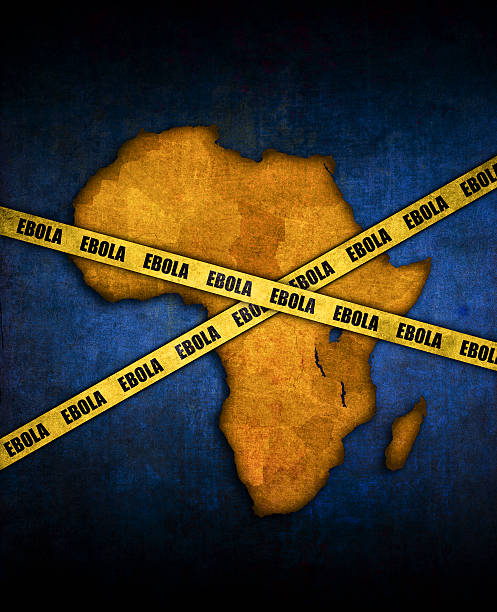
Africa, a continent of vast diversity and complex challenges, often finds itself misrepresented in global narratives. Understanding its geography, history, and cultural nuances is crucial to avoid perpetuating harmful stereotypes and to grasp the real issues facing its nations.
The Ebola Crisis and Misconceptions About Africa
The recent Ebola outbreak highlighted how readily the world can fall into the trap of treating Africa as a monolithic entity. As Seth Dixon points out, referring to "Africa" as a single entity is a gross oversimplification of an 11.7 million-square-mile landmass comprised of 54 countries and over 1.1 billion people. The blanket fear caused by the Ebola outbreak has had devastating economic consequences for countries thousands of miles away from the affected regions, demonstrating the need for geo-literacy and a more nuanced understanding of the continent. The coverage that featured chimpanzees and smuggled bushmeat plays into "Dark Continent" anxieties, even if Africa has been developing rapidly recently and the Ebola outbreak is testing our conceptions.
The Resource Curse and Historical Geography
One of the most perplexing issues in Africa is the so-called "resource curse," where resource-rich nations like the Democratic Republic of Congo remain mired in poverty. The key to understanding this paradox lies in historical geography. Colonialism, slavery, and corruption have systematically exploited the continent's wealth, enriching outside powers while leaving local populations impoverished. Kinshasa, once a symbol of promise, now stands as a stark reminder of the lasting impact of historical injustices.
AIDS Success Story
The media should take into account the scary medical story of the 20th century. The story of AIDS was going to doom Africa, but now it is a success story.
The Great Mosque of Djenné
The Great Mosque of Djenné, Mali, represents a crucial point to consider. This magnet for tourists is making it increasingly difficult for the locals to live a normal life around it.
Water Wars: The Grand Ethiopian Renaissance Dam
The Grand Ethiopian Renaissance Dam (GERD) on the Blue Nile is a prime example of how resource management can lead to international tensions. Ethiopia's plan to dam the Blue Nile, the source of 85% of the Nile's water, has sparked fears in Egypt, which relies heavily on the river for its water supply. This situation underscores the importance of water security and the need for equitable agreements that consider the needs of all riparian states.
Colonial Legacy and Language
The legacy of colonialism continues to shape Africa in various ways, including the languages spoken. While many African countries have numerous indigenous languages, the former colonial language often remains the lingua franca, particularly among the elite. The Gambia's recent decision to reject English as its official language reflects a desire to dismantle neo-colonial influences and assert its cultural identity. The country wants to distance itself from the Commonwealth, tired of being lectured about human rights.
China's Role in Africa
China's growing presence in Africa has sparked debate about its long-term consequences. While some see it as a catalyst for development and prosperity, others fear it could lead to exploitation reminiscent of 19th-century European colonialism.