7 Astounding Polar Creatures: A Glimpse into the Arctic and Antarctic Wilderness
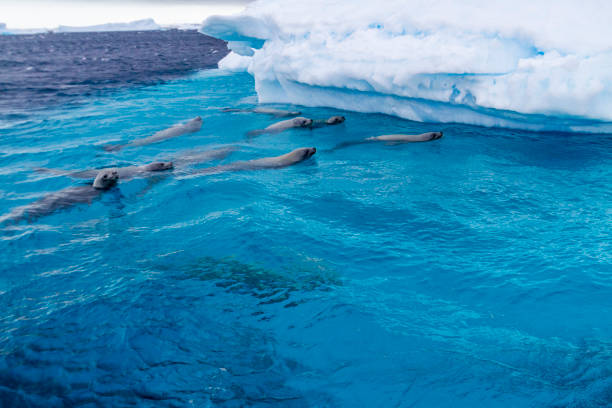
Nature displays an indomitable spirit, flourishing even in the most seemingly inhospitable corners of our planet. The polar regions, often perceived as barren wastelands, teem with life adapted to the extreme cold and challenging conditions. This article unveils seven astounding polar creatures, showcasing the remarkable biodiversity that thrives in these icy realms. These creatures represent just a fraction of the life that survives in these regions; we hope you join us in supporting the efforts to preserve them and their native environment.
1. Adélie Penguin: The Antarctic Coast Dweller
The Adélie Penguin, a blue-eyed marvel, is a common sight along the Antarctic coast, its only natural habitat. This seabird, named after Adélie Land, stands as one of the most southerly distributed avian species. Reaching a height of around 30 inches (75 cm) and weighing about 13.2 lbs (6 kg), it's a mid-sized penguin with a distinctive white ring around its eye. Its diet primarily consists of ice krill, Antarctic krill, and Glacial Squid, a shift from a fish-based diet attributed to changes in the local ecosystem. These penguins undertake remarkable migrations, averaging 8,100 miles (13,000 km) annually, following the sun between breeding colonies and winter foraging grounds.
2. Bowhead Whale: An Arctic Giant
The Bowhead Whale, a baleen whale native to the Arctic and sub-Arctic waters, is an emblem of resilience. Once hunted to near extinction, its population has rebounded since the 1966 whaling moratorium. This massive creature, averaging 59 ft (18 m) in length and weighing up to 220,000 lbs (100,000 kg), boasts the largest head relative to body size of any animal. Remarkably, the Bowhead Whale is the only baleen whale species that spends its entire life in one area, foregoing traditional migration patterns. With an average lifespan of around 200 years, this gentle giant filters zooplankton from the water, consuming an average of 3,600 lbs (1,633 kg) per day.
3. Snowy Owl: The Arctic Hunter
The Snowy Owl, a magnificent avian predator, is well-adapted for life north of the Arctic Circle. Its thick plumage, feathered feet, and distinctive coloration allow it to thrive in the harsh tundra. With brilliant yellow eyes, a black beak, and mostly white feathers (especially in males), this owl can reach a length of 28 inches (71 cm) and a wingspan of 59 inches (150 cm). Primarily preying on lemmings and other small rodents, the Snowy Owl plays a crucial role in regulating the Arctic ecosystem.
4. Leopard Seal: The Apex Predator of Antarctica
Don't be deceived by its seemingly gentle appearance, the Leopard Seal is a formidable predator in Antarctica. Its name comes from the spots on its body. This marine mammal, reaching up to 11.5 ft (3.5 m) in length and weighing up to 1,320 lbs (600 kg), is known for its razor-sharp teeth and opportunistic hunting habits. Leopard Seals prey on penguins, squid, fish, and even other seal species. While generally not threatening to humans, attacks on divers have been reported, highlighting their unpredictable nature.
5. Narwhal: The Unicorn of the Sea
The Narwhal, often called the "unicorn of the sea", is a medium-sized toothed whale characterized by the males' long, spiraled tusk. The narwhal grows to be around the same size as related species. Total length in both sexes, excluding the tusk of the male, can range from 13-18 ft. (4-5.5 m), where their typical adult body weight measures between 1,800-3,500 lbs (800-1,600 kg). The tusk, which can reach up to 10 ft (3.1 m) in length, is actually an elongated canine tooth. Narwhals inhabit the Atlantic and Russian areas of the Arctic Ocean, diving to depths of up to 4,900 ft (1,500 m) in search of halibut, cod, shrimp, cuttlefish, and arm hook squid.
6. Arctic Fox: The Master of Camouflage
The Arctic Fox, a small but hardy species, is native to the Arctic regions of the Northern Hemisphere. This incredible creature is generally active from early September until early May. Living in complex underground tunnel systems, Arctic Foxes adapt to the changing seasons with a remarkable camouflage. Their fur changes color from brown in the summer to white in the winter, allowing them to blend seamlessly into their environment. As opportunistic omnivores, Arctic Foxes consume a wide range of food, from small prey to berries and seaweed.
7. Beluga Whale: The White Whale
The Beluga Whale, also known as the white whale, is an Arctic and sub-Arctic cetacean with a distinctive all-white coloration and the absence of a dorsal fin. Males can grow up to 18 ft (5.5 m) long and weigh up to 3,500 lbs (1,600 kg). The Beluga Whale is renowned for its highly developed sense of hearing and its use of echolocation to navigate and find blowholes under the ice. These gregarious creatures form groups of up to 10 animals and feed on fish, crustaceans, and other deep-sea invertebrates. Belugas seasonally shed their skin, rubbing themselves on gravel riverbeds to remove the outer layer.
These seven astounding polar creatures offer a glimpse into the incredible biodiversity that thrives in the Arctic and Antarctic regions. It is our responsibility to protect these magnificent animals and their fragile ecosystems, ensuring that future generations can marvel at their existence.