Will London Have Hydrogen Buses by 2010? A Look at the Hydrogen Bus Trial
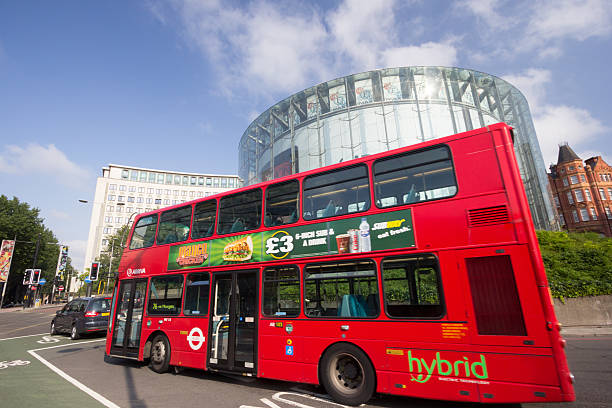
London is taking a bold step toward reducing emissions and improving air quality by pioneering the use of hydrogen-powered buses. Following a successful European trial, plans are in motion to deploy ten hydrogen buses in London by 2010. This initiative positions London as a leader in hydrogen transport technology, exploring two distinct approaches: hydrogen fuel cell buses and hydrogen internal combustion engine (H2ICE) buses.
Hydrogen Fuel Cell Buses: Clean Energy in Action
Five of the buses will utilize hydrogen fuel cell technology. These buses are powered by an electric motor, with hydrogen stored in tanks on the roof. The unique advantage of fuel cell buses lies in their emissions profile: the only byproduct is water, released as vapor.
The operation is elegantly simple: hydrogen gas combines with oxygen inside the fuel cell, producing electricity that powers the electric motor. This process mirrors a battery, but with a continuous fuel source. To further enhance efficiency, these buses will also incorporate hybrid technology, maximizing the distance traveled before refueling.
Hydrogen Internal Combustion Engine Buses: Innovation in Traditional Form
The remaining five buses will employ hydrogen internal combustion engines (H2ICE). These vehicles use a specialized ICE V10 engine fueled directly by hydrogen stored on the roof. The key benefit here is the dramatic reduction in emissions. Because hydrogen fuel contains no carbon, the combustion process produces minimal pollutants. These buses use hydrogen that burns in engines pretty much the same as in traditional petrol/diesel vehicles. Emissions testing will be conducted throughout the trial to rigorously assess their environmental impact.
The Hydrogen Supply Chain: Air Products
Sourcing the hydrogen fuel is a crucial aspect of this project. Air Products will be responsible for supplying the hydrogen for all ten buses. Hydrogen can be produced from various sources, including natural gas and through electrolysis, the process of splitting water into hydrogen and oxygen.
Key Players and the Hydrogen Bus Alliance
The initiative involves a consortium of leading organizations. ISE will supply the ten hydrogen buses, collaborating with Ballard and Wrightbus. First Group has been awarded the contract to operate the buses, running them on a designated route. The project is supported by a grant from the Department for Business, Enterprise and Regulatory Reform's Hydrogen Fuel Cell programme.
London played a key role in establishing the Hydrogen Bus Alliance, an international partnership dedicated to promoting the rapid development and commercialization of hydrogen technology in public transport. This alliance underscores the global commitment to sustainable transportation solutions.
London Buses, part of Transport for London, is at the forefront of achieving environmental targets for the city's bus fleet. First Group's transit management expertise is vital to ensuring the project's rigorous standards and assessments. ISE is responsible for integrating the hydrogen technology into the buses. Wrightbus will design and manufacture the bodywork, while Ballard supplies the fuel cells for the five fuel cell buses.